

Within the ever-evolving world of TikTok, live streaming is now a key way for creators to connect with their viewers. With the rise of entertaining VODs, or on-demand video content, numerous viewers discover themselves enchanted by these ephemeral moments. Yet, what happens when those live streams slip into the archives of the app, evaporating before you have a chance to resee or store your beloved content? For content creators and fans alike, knowing how to retrieve these precious videos can be a transformative experience.
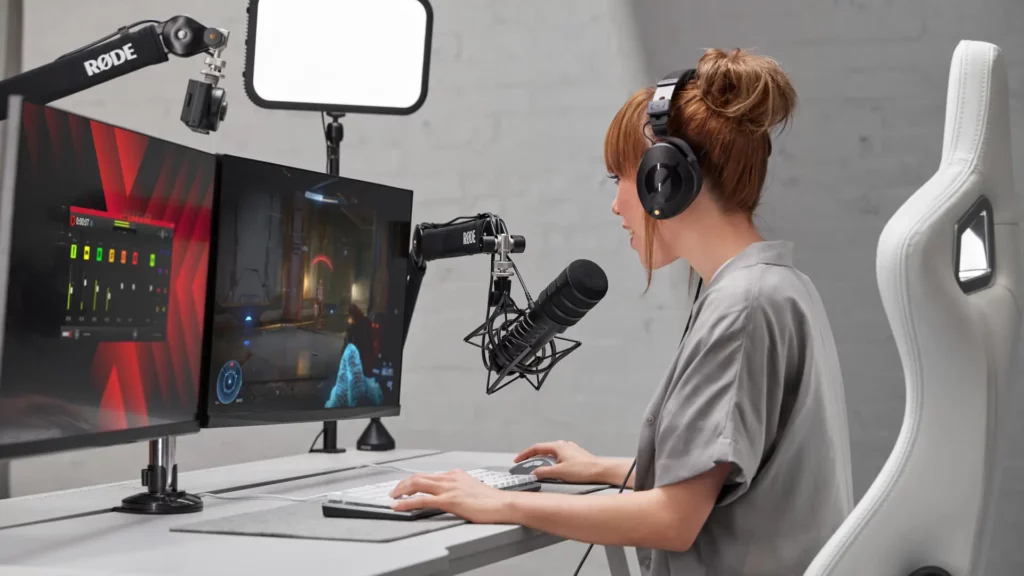
As an increasing number of users turn to their streaming desks furnished with microphones, earphones, and a well-organized home streaming studio, it is essential to have a robust strategy for saving TikTok VODs. Whether you are operating at your computer or recording on your handheld device with a LED light, comprehending the appropriate techniques allows you to build a digital video library that holds your most-loved moments. From leveraging screen recording features to utilizing cloud storage and backup solutions, we will examine some fast and successful tips to ensure you do not lose those treasured streams again.
Key Live Streaming Setup
A strong broadcasting configuration is crucial for every producer seeking to produce top-notch content. Start with a efficient setup that includes a good audio device to capture clear audio. The appropriate audio device can considerably enhance the quality of your broadcasts, allowing your audience to relate with your messages more effectively.
Pair this with an comfortable chair and an movable monitor stand to keep you at ease during extended broadcasting periods.
Next, create an efficient home streaming studio that fosters originality. Invest in a streaming setup that enables you to smoothly transition between your presentation and your interactions. Consider how your setup can be arranged; having your PC set at eye level can assist you keep in touch with your followers. A dedicated video archive for your finished broadcasts will also make it easier to find previous broadcasts for editing or reuse.
Finally, always remember the significance of lighting and image quality. As a vertical video creator, using tools like a phone with a ring light will enhance the aesthetic of your broadcasts, making them engaging to spectators. With the appropriate equipment in place, you'll be able to create a lively streaming experience that keeps your viewers returning for more.
Capturing and Backing Up Streams
To ensure you save your TikTok VODs before they disappear, it's essential to establish a dependable recording process. Start with a home broadcasting studio that includes a robust streaming desk with a mic for clear audio. When you start broadcasting, utilize screen recording software to record the stream directly from your computer monitor. This technique not only keeps your content but also facilitates easy editing later on if you desire to refine your videos before sharing.
If you're on the go and need to record streams from your mobile device, think about using mobile content filming techniques. A phone with a ring light can help capture high-quality footage while streaming streams. Utilize cloud storage and backup services to ensure your recorded files are safe and accessible, so you don't risk losing any original content. This way, your digital video library stays intact, and you can conveniently retrieve your most-liked clips at any time.
Lastly, always ensure that your capturing settings are optimized for the best quality. Head over to your streaming platform interface to check that everything is in order for your stream. Whether you're a portrait video creator or focusing on a more traditional approach, knowing how to store your content effectively will empower you to show your creativity without the concern of it disappearing.
Employing Cloud Storage
One of the best ways to store your TikTok VODs is by leveraging a cloud service. When you capture or stream, it’s quick to overlook about the duration of your videos. By saving them to a cloud platform, you ensure that your content is properly stored and readily accessible, avoiding the chance of losing precious footage. Services like Google Drive, Dropbox, or iCloud offer sufficient space to archive your video collection without overloading your devices.
To make the most of cloud storage, set up a schedule for uploading your videos after each live stream. This guarantees that you consistently back up your work and have multiple copies if necessary. Try structuring your files by timestamp or event, allowing you to quickly locate and share your best VODs. With just a couple of clicks, you can maintain your content creator portfolio and maintain an organized catalog, showcasing your growth as a vertical video creator.
In addition to convenience, cloud storage improves collaboration, making it easy for other creators to access your content. Whether you’re sharing video clips with a team or collaborating on a project, having your VODs stored safely in the cloud facilitates the process. Plus, it liberates space on your home streaming studio setup, allowing you to focus on producing more content without anxiety about running out of storage.
Managing Your Virtual Library
A structured digital library is essential for all content creator aiming to efficiently manage their TikTok VODs. Commence by establishing a distinct folder structure on your computer or cloud storage that classifies your videos by date, topic, or type of content. This method enables you quickly locate certain streams, whether you are uploading them for subsequent use or citing them in subsequent projects. Keep in mind to be consistent in titling your files, making it more straightforward to locate and identify what you need quickly.
Implementing tags or metadata can boost the organization of your videos even more. Many cloud storage services allow you to add tags that define the substance of each video, such as "live stream", "tutorial", or "Q&A". This practice not only aids in locating your files in a more efficient manner but also provides background when you return to your videos after a period. Consider implementing a system where you can readily update and edit these tags as your content grows over time.
In conclusion, frequently review your digital video library to ensure that your system system is functional. As you gather more VODs, it’s vital to assess what content is still pertinent and worth keeping. Eradicate redundant files to free up disk space in your home streaming studio and make sure that your cloud backups are regular. By maintaining a organized digital library, you not only boost your workflow but also make it simpler to extract valuable insights from your past creations.
Filming Tips for Cellular Content Makers
When producing content with your mobile device, lighting is crucial. Natural light can greatly enhance the quality of your videos, so aim to film by openings or in well-lit areas. If you're filming inside, think about using a ring light to get that polished look. Place your device to take advantage of the light, and always remember to review your silhouettes before you start filming.
Stability is another critical factor for mobile shooting. Put money in a tripod or a stabilizer to maintain your shots steady, as shaky footage can be distracting for the audience. If you don't have a tripod available, look for a flat place to set down your device while filming. Experiment with different angles and viewpoints to create your content aesthetically attractive and captivating for your audience.
Finally, focus on your sound quality. Utilizing a headset with a built-in microphone can help boost sound clarity, particularly in loud environments. If StreamRecorder obvious choice capturing conversations or dialogue, try to reduce background noise by selecting a quiet location. Always do a sound check before you start filming to make sure everything is clear, so your material connects well with your audience.